
Persistent Acne: What to Do When Pimples Keep Coming Back
September 17, 2026
Persistent acne is a common skin concern that can affect teenagers and adults. While occasional pimples may be normal, acne that keeps coming back or does not improve with basic skincare may need proper medical evaluation. Recurrent acne can be related to excess oil production, clogged pores, hormonal changes, bacteria, certain medications, or other factors.
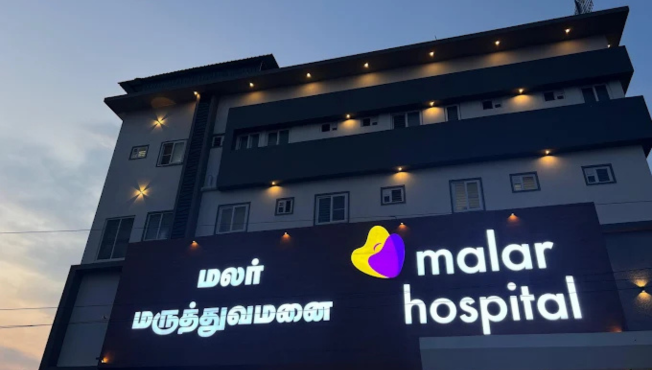
If your acne keeps returning despite following a regular skincare routine, consulting a Dermatologist in Hosur can help identify what may be triggering your breakouts. At Malar Hospital, you can receive personalised Acne Treatment in Hosur based on your skin type, symptoms, and the severity of your acne.
Through this blog, we aim to help you understand the causes of persistent acne, common symptoms, treatment options, skincare measures, and when you should consult a dermatologist. Early evaluation and appropriate dermatological care can help control recurring breakouts and reduce the risk of acne scars.
What Is Persistent Acne?
Acne is a common skin condition that occurs when hair follicles become clogged with oil and dead skin cells. It can result in pimples, blackheads, whiteheads, and deeper inflammatory lesions.
Persistent acne refers to acne that continues to occur frequently, does not respond adequately to basic skincare, or repeatedly returns after temporary improvement. A Dermatologist in Hosur can assess your skin and determine whether your acne needs medical treatment.
Common signs of acne include:
- Whiteheads
- Blackheads
- Small red bumps
- Pimples containing pus
- Painful or tender lumps
- Oily skin
- Dark marks left after pimples heal
- Acne scars
If you regularly experience these symptoms, seeking professional Acne Treatment in Hosur may help prevent recurring breakouts from becoming more difficult to manage.
Why Does Acne Keep Coming Back?
Several factors can contribute to recurrent acne. Identifying the underlying factors can help your dermatologist recommend appropriate treatment and skincare.
Excess Oil Production : Sebaceous glands produce an oily substance called sebum. Excessive sebum production can contribute to clogged pores and recurrent acne.
Clogged Pores : Dead skin cells and oil can accumulate inside hair follicles, resulting in clogged pores. These clogged follicles can develop into blackheads, whiteheads, or pimples.
Hormonal Changes : Hormonal fluctuations can increase oil production and contribute to acne. This is particularly common during puberty, around menstruation, pregnancy, or in some hormonal conditions.
If acne appears along with irregular periods, excess facial hair, or other hormonal symptoms, a Dermatologist in Hosur may recommend further evaluation or advise you to consult another appropriate specialist.
Skin and Hair Products : Some cosmetics, moisturisers, sunscreens, or hair products may contribute to blocked pores in acne-prone individuals. Choosing products labelled non-comedogenic may help reduce this risk.
Stress and Lifestyle Factors : Stress may worsen acne in some people. Poor sleep and certain lifestyle habits may also make acne management more difficult.
Certain Medications : Some medicines can contribute to acne-like eruptions. If you notice acne after starting a new medication, discuss it with your doctor rather than stopping the medicine on your own.
What Can Make Persistent Acne Worse?
Certain habits may increase irritation or worsen breakouts. These include:
- Frequently touching your face
- Squeezing or popping pimples
- Using harsh scrubs
- Over-washing the skin
- Using unsuitable oily products
- Frequently changing acne treatments
- Not following the prescribed treatment consistently
Popping pimples can increase inflammation and may increase the risk of acne scars and dark marks. If you are struggling to control recurring acne, professional Acne Treatment in Hosur can help you understand which treatment and skincare approach may be suitable for your skin.
How Is Persistent Acne Treated?
Treatment depends on the type and severity of acne, your age, skin type, medical history, and whether scarring is present. A Dermatologist in Hosur can examine your skin and recommend a treatment plan based on your individual needs.
Topical Treatments : Doctors may recommend topical medicines such as retinoids, benzoyl peroxide, or other appropriate acne treatments to help unclog pores and reduce inflammation.
Antibiotic Treatment : For certain inflammatory acne cases, topical or oral antibiotics may be prescribed for an appropriate duration. Antibiotics should only be used under medical supervision.
Hormonal Treatment : For some women whose acne is associated with hormonal changes, a doctor may consider hormonal treatment depending on their individual health and reproductive needs.
Oral Acne Medicines : Moderate to severe acne that does not respond to other treatments may require prescription oral medicines. These should be taken only under the supervision of a dermatologist because some treatments require careful monitoring.
Treatment for Acne Scars and Marks : If persistent acne has resulted in scars or pigmentation, additional treatments may be considered after the active acne is controlled. The appropriate treatment depends on the type and severity of the marks or scars.
A personalised Acne Treatment in Hosur can address both active acne and the skin concerns that may remain after repeated breakouts.
What Skincare Habits Can Help Prevent Recurrent Acne?
A simple and consistent skincare routine can support acne management. Your Dermatologist in Hosur can also recommend skincare products that are appropriate for your skin type.
Consider the following:
- Wash your face gently twice a day
- Use products suitable for acne-prone skin
- Choose non-comedogenic skincare and makeup products
- Avoid harsh scrubbing
- Do not squeeze or pick pimples
- Remove makeup before going to bed
- Use sunscreen regularly
- Follow your dermatologist's treatment plan consistently
Remember that acne treatment may take time. Frequently changing products or treatments without professional guidance may irritate your skin and make breakouts harder to manage.
When Should You Consult a Dermatologist?
You should consider consulting a Dermatologist in Hosur if:
- Pimples keep coming back
- Acne is painful or severe
- Acne is leaving dark marks or scars
- Over-the-counter products are not helping
- Acne is affecting your confidence or daily life
- Breakouts suddenly become severe
- Acne develops along with other hormonal symptoms
Early Acne Treatment in Hosur can help control breakouts and reduce the risk of long-term scarring.
Why Choose Malar Hospital?
At Malar Hospital, we understand that persistent acne can affect both skin health and confidence. Our dermatology team focuses on identifying factors contributing to recurrent acne and providing personalised care based on your skin condition.
Patients trust us for:
- Experienced Dermatologists in Hosur
- Comprehensive Acne Treatment in Hosur
- Evaluation of persistent and recurrent acne
- Personalised skincare guidance
- Treatment of inflammatory acne
- Acne scar and pigmentation management
- Diagnosis and management of other skin conditions
Whether you are dealing with occasional breakouts or acne that keeps returning, our dermatology care focuses on helping you achieve healthier and clearer-looking skin.
Looking for Acne Treatment in Hosur?
Persistent acne is more than an occasional breakout. When pimples continue to return despite regular skincare, it may be time to seek professional dermatological advice. Avoid squeezing pimples or repeatedly changing treatments without medical guidance, as these habits can worsen irritation and increase the risk of scarring.
If you are looking for Acne Treatment in Hosur, Malar Hospital provides personalised evaluation and treatment for recurring acne, inflammatory breakouts, acne marks, and scars. Consulting an experienced Dermatologist in Hosur can help you understand your skin concerns and choose an appropriate treatment approach.
Take the Right Step for Healthier Skin
You do not have to simply live with recurring acne. With the right diagnosis, consistent skincare, and appropriate medical treatment, persistent acne can often be managed effectively. Seeking timely care from a Dermatologist in Hosur can also help reduce the risk of acne scars and long-term skin concerns.
If your pimples keep coming back, consider professional Acne Treatment in Hosur at Malar Hospital and take the right step towards healthier skin.
Comments
Popular Posts

Get benefit from Malar
Experience trusted healthcare, advanced facilities, and compassionate care at thebest multispeciality hospital in Hosur, Tamil Nadu.
 Book Your Appointment